




In regulated industries, hosting your own communication isn’t a choice, it’s a compliance necessity. Historically, organizations have either built their own stacks or relied on SaaS to stay compliant. But as cloud and AI move faster than ever, a dangerous gap has opened: The Tenant Trap.
Most platforms today simply can’t keep up with the standards required by law. This creates a dual reality: organizations are paying heavy headcount-based costs to external vendors, yet they still fail to meet the actual compliance benchmarks. Your most sensitive data from board decisions to patient consultations is being harvested to train foreign AI models, leaving you exposed to jurisdictional laws you don’t control.
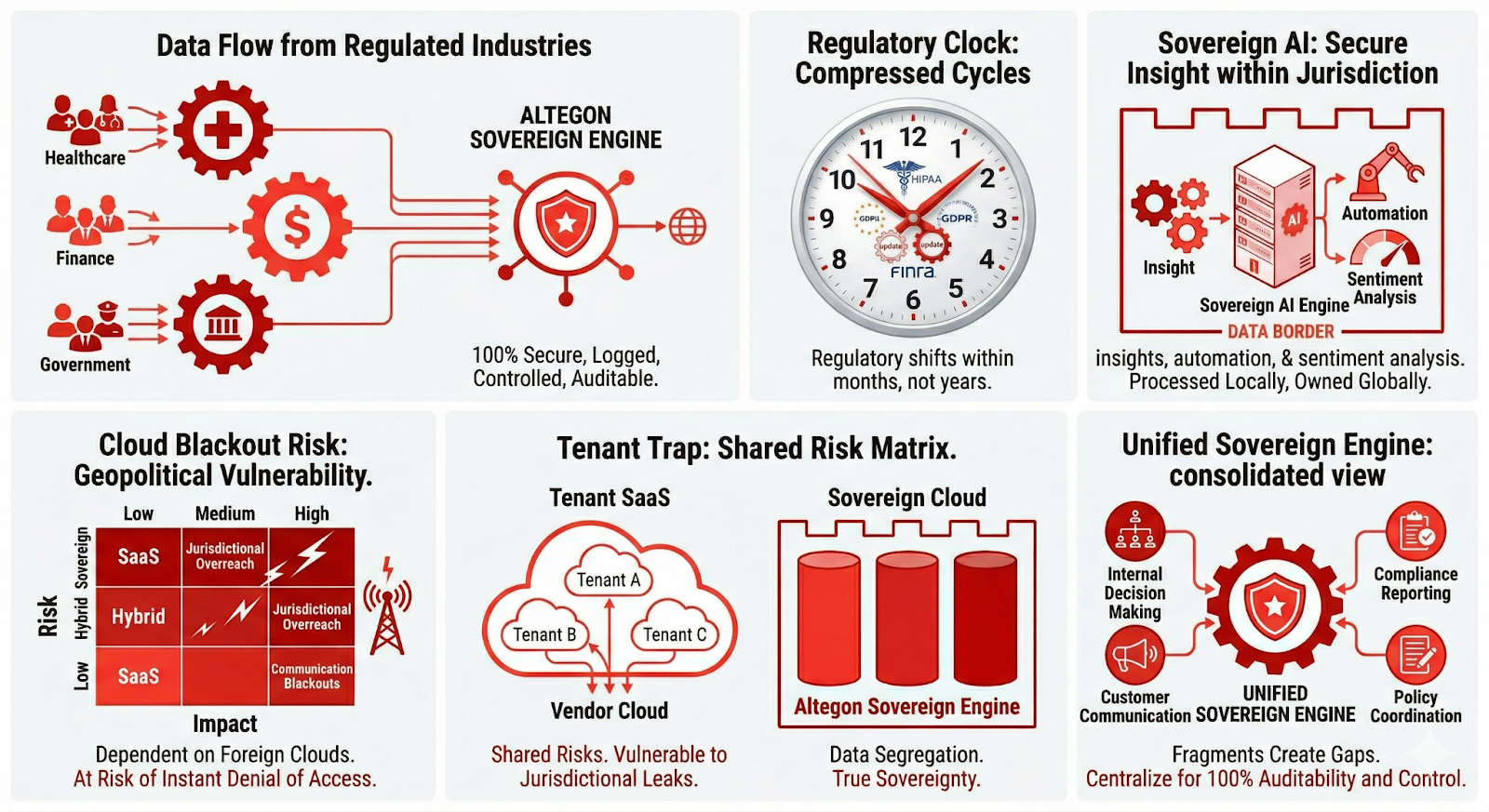
The real crisis is the speed of regulation. Compliance cycles that once took years now shift within months, turning traditional infrastructure into a bottleneck. To survive, organizations demand Digital Sovereignty: complete ownership of infrastructure and AI that lives within your borders and evolves as fast as the laws do.
Why Compliance Matters in Regulated Industries
Regulated industries handle highly sensitive information that must remain secure and traceable. These sectors operate under strict governance frameworks, making communication compliance essential.
Regulated industries include:
- Financial institutions
- Healthcare organizations
- Government agencies
- Insurance providers
- Telecommunications companies
Each of these sectors relies on communication platforms for:
- Internal decision making
- Customer communication
- Compliance reporting
- Risk management discussions
- Cross-department coordination
Because these interactions involve confidential data, communication platforms must support compliance requirements by design.
The Role of Communication Platforms in Compliance
Communication infrastructure is now deeply placed into operational workflows. This means every interaction must be:
- Secure
- Logged
- Controlled
- Auditable
- Stored properly
For example:
| Industry | Communication Use | Compliance Requirement |
| Finance | Trading approvals | Record retention & monitoring |
| Healthcare | Teleconsultations | Patient data protection |
| Government | Policy coordination | Secure communication channels |
| Insurance | Claims discussions | Data privacy controls |
Without proper compliance controls, these conversations can create regulatory exposure. Because these interactions involve confidential data, communication platforms must support compliance requirements by design. In sectors like healthcare, why live video is the heartbeat of digital communication is evident, as it enables real-time patient care while maintaining strict data protocols.
Regulatory Frameworks Shaping Communication Compliance
Multiple regulatory frameworks define how communication data must be handled. For organizations conducting remote sessions, ensuring HIPAA and GDPR compliance in virtual meetings is a non-negotiable standard to avoid legal exposure.
Major Regulations
- HIPAA – Protects patient health information
- GDPR – Governs personal data privacy
- SAMA – Enforces financial data governance
- PDPL – Regulates regional data sovereignty
- FINRA – Requires communication record retention
These frameworks require organizations to:
- Maintain secure communication channels
- Store records for audits
- Control access to sensitive conversations
- Enforce data residency
- Monitor communication activity
Communication platforms that lack these capabilities create compliance gaps.
Key Compliance Challenges Organizations Face
Maintaining compliance is no longer a static goal; it’s a race against evolving global standards. Beyond the operational hurdles of monitoring and auditing, organizations face strategic challenges that threaten their very autonomy:
- Accelerated Compliance Cycles: Regulatory frameworks now shift in months, not years. Traditional infrastructure often fails to adapt at this speed, creating immediate compliance gaps.
- Geopolitical Vulnerability: Dependency on foreign-hosted cloud platforms exposes industries to ‘communication blackouts’. This is exactly why IT managers are pulling video hosting out of the cloud to reclaim control and eliminate the risks associated with third-party infrastructure..
- The Innovation Dilemma: While regulated sectors focus on their core mission (banking, healthcare, governance), they are forced to keep pace with AI and communication tech. Without a sovereign solution, they risk falling behind or losing control of their data to gain efficiency.
- Data Residency: Foreign laws can mandate access to data stored on tenant-based platforms, bypassing local residency protections.
Essential Features of a Compliant Communication Platform
To operate in regulated industries, communication platforms must include built-in compliance and security capabilities. These features ensure that sensitive data remains protected, traceable and aligned with regulatory requirements.
Below are the most critical compliance features explained in detail:
1. End-to-End Encryption
Encryption ensures that communication data remains protected during transmission and storage. It prevents unauthorized access and ensures that only intended participants can view the content.
Why it matters:
- Protects confidential conversations
- Prevents data interception during transmission
- Secures stored communication records
- Reduces risk of data breaches
- Supports regulatory data protection requirements
Compliance Benefit:
Encryption helps organizations meet privacy and data protection regulations by ensuring sensitive information remains secure at all times.
2. Sovereign Infrastructure & Local Processing
Unlike tenant-based models, a sovereign engine ensures that the entire communication pipeline from data transfer to storage happens within your controlled environment.
- Why it matters: Eliminates third-party dependency and protects against foreign jurisdictional overreach or blackouts.
- Sovereign AI & Intelligence
AI should serve the organization without compromising its data. Sovereign AI allows for local processing of insights, automation and sentiment analysis.
- Why it matters: Ensures your data never leaves your jurisdiction to train external models, while providing the power of AI to enforce real-time compliance.
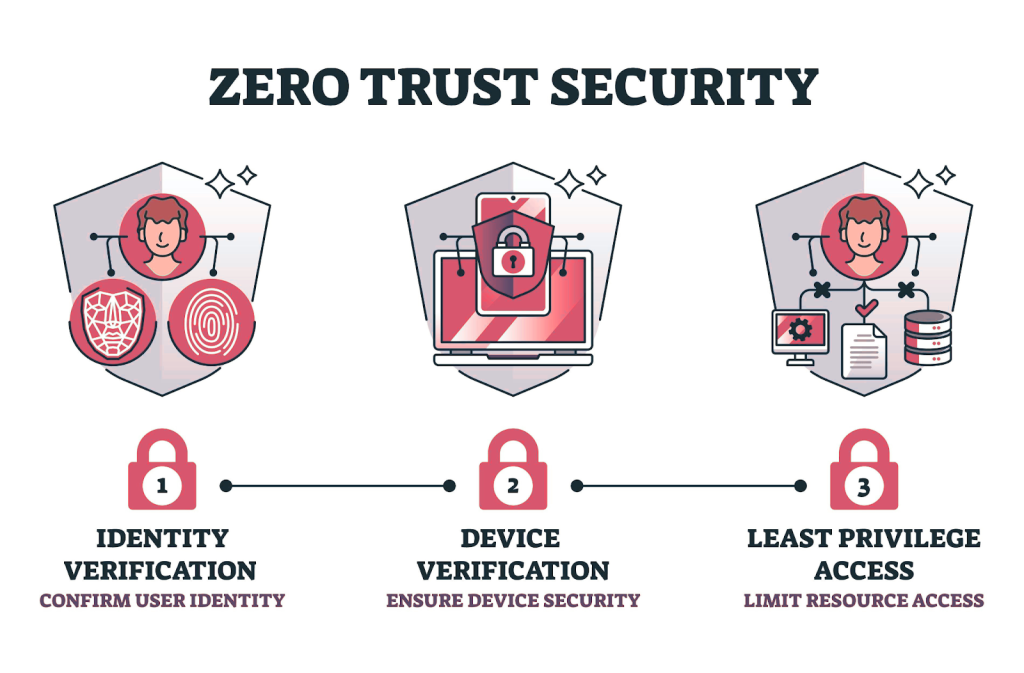
- Access Control and Authentication
Access control ensures that only authorized users can access communication systems and sensitive conversations. Role-based permissions allow organizations to restrict access based on responsibilities.
Why it matters:
- Limits access to sensitive discussions
- Prevents unauthorized internal data exposure
- Supports role-based permissions
- Protects executive and confidential meetings
- Enhances identity verification
Compliance Benefit:
Access control helps organizations enforce security policies and ensures that regulated data is only available to authorized personnel.
3. Audit Logs and Activity Tracking
Audit logs record all communication activities, including messages, calls, user access, and file sharing. These logs provide transparency and support compliance audits.
Why it matters:
- Tracks user activity
- Maintains communication records
- Supports regulatory audits
- Improves transparency
- Helps detect suspicious behavior
Compliance Benefit:
Audit logs provide evidence during compliance reviews and help organizations demonstrate regulatory adherence.
4. Data Residency Control
Data residency ensures communication data is stored within specific geographic or jurisdictional boundaries. This is important for organizations that must follow regional compliance laws.
Why it matters:
- Keeps data within required jurisdiction
- Supports regional compliance regulations
- Prevents cross-border data exposure
- Improves data governance
- Enhances regulatory control
Compliance Benefit:
Data residency helps organizations meet legal requirements that mandate sensitive data remain within approved locations.
5. Sovereign AI and Compliance Enforcement
Monitoring tools allow organizations to track communication activity and detect policy violations. This helps maintain compliance and identify potential risks.
Why it matters:
- Detects unusual communication behavior
- Identifies policy violations
- Improves risk management
- Enables real-time oversight
- Strengthens security governance
Compliance Benefit:
Monitoring ensures organizations can proactively enforce compliance policies and prevent regulatory violations.
Compliance Risks of Tenant-Based Communication Platforms
Many organizations rely on externally hosted communication platforms. While convenient, these models introduce compliance risks due to limited control.
Key risks include:
- Unknown data storage location
- External processing of sensitive data
- Limited audit visibility
- Dependency on vendor policies
- Difficulty enforcing data residency
In regulated industries, these limitations create uncertainty around compliance. Organizations require communication infrastructure that provides greater control and transparency.
The Sovereign Approach to Communication Compliance
A sovereign communication approach focuses on complete ownership, control, and compliance-native architecture. The future belongs to sovereign infrastructure, where organizations especially in regions like the EU, Middle East and Asia are reclaiming their data from foreign-hosted cloud dependencies.
The Sovereign Mandate enables:
- Full Independence from Foreign Jurisdictions: No more risks of sudden data blackouts or foreign law overreach.
- Compliance-by-Design: Every layer of the communication pipeline is architected to meet specific industry standards (SAMA, GDPR, etc.) natively.
- Proactive Cyber-Defense: Instead of waiting for vendor updates, a sovereign engine provides continuous security patching and real-time vulnerability assessments.
- Operational Autonomy: Organizations can evolve their communication stacks as fast as the regulatory landscape shifts, without waiting for third-party roadmaps.
Best Practices for Future-Proof Communication Compliance
To move beyond “tenant-based” limitations, organizations must adopt practices that prioritize long-term autonomy and high-level security.
- Prioritize Sovereign Infrastructure Over Residency: Don’t just store data locally while processing it globally. Ensure the entire communication pipeline remains within your control.
- Implement Continuous Cyber-Security Assessments: Instead of annual audits, move toward real-time monitoring and adaptive security patches to prevent cyber-attacks before they happen.
- Move to Sovereign AI Integration: Deploy AI models that are trained and operated strictly within your jurisdiction, ensuring confidential board-level and patient data never leaves the “closed doors.”
- Consolidate into a Unified Communication Engine: Fragmentation creates gaps. Centralizing all communication from teleconsultations to financial approvals into one sovereign platform ensures 100% auditability.
- Evolve with the Regulatory Curve: Set up systems that can be updated within weeks, not years, to stay ahead of the ever-changing compliance landscape of regulated industries.Cybersecurity assessment, continuous security patch updates, continuously innovation AI adoption.
Wrapping Lines!
The Tenant Trap is no longer just a risk, it’s a liability. Regulated industries cannot compromise on data sovereignty, AI control, compliance or predictable economics. Altegon provides the Infrastructure for Autonomy that ensures total ownership of communication pipelines, in-jurisdiction AI and data residency, and compliance-native architecture, all while eliminating the Success Tax. With Altegon’s Sovereign Communication Engine, regulated organizations can reclaim control, operate securely and confidently meet regulatory obligations because true sovereignty starts with owning your infrastructure, not renting it.