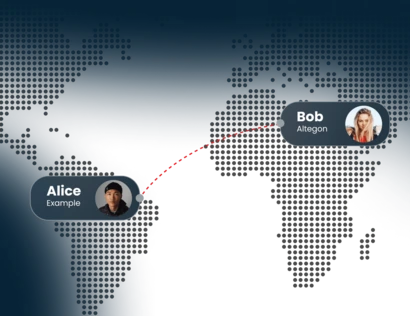


Imagine building a multi-million dollar high-security vault to protect your company’s secrets. You own the walls, the locks and the keys. This is your sovereign video platform. But then, you hire a digital assistant to take notes. Every time a secret is whispered,that assistant quietly sends your data to a third party in another country for processing and returns with a summary, shares the secret with a third party in another country to “process” it and then runs back with a summary. The vault is still yours, but the secret is gone. This is the reality of modern AI integrations.
The truth is simple: Your Video Platform Is Sovereign. Your AI Isn’t. Most organizations have secured their “pipes” (the video stream) but have completely neglected the “brain” (the AI processing). When you use an external API for transcription or summaries, your data leaves your protected perimeter. It enters a foreign jurisdiction where you no longer have legal or physical control over it. You aren’t just getting a transcript; your data enters a jurisdiction where you no longer have sole legal or physical control over it.
Understanding Data Sovereignty vs Data Residency
What Is Data Residency?
Data residency refers to the physical location where data is stored. Many organizations ensure that their data remains within a specific geographic boundary, such as within a country or region, to comply with regulatory requirements. This approach is often seen as a key component of security, as it provides a level of control over where data is hosted and which infrastructure is used.
This distinction is critical; as enterprise communication infrastructure becomes a strategic digital asset, organizations must realize that true sovereignty cannot exist without control over both where data lives and how it is processed.
But data residency alone does not guarantee protection. It addresses only the storage aspect of data, not how that data is handled, accessed, or processed. A company may store all its video recordings within its own servers, yet still expose that data during processing if it relies on external AI tools. So, residency is only half of the battle.
The AI Layer: The Most Overlooked Security Risk
How External AI APIs Break Your Security Perimeter
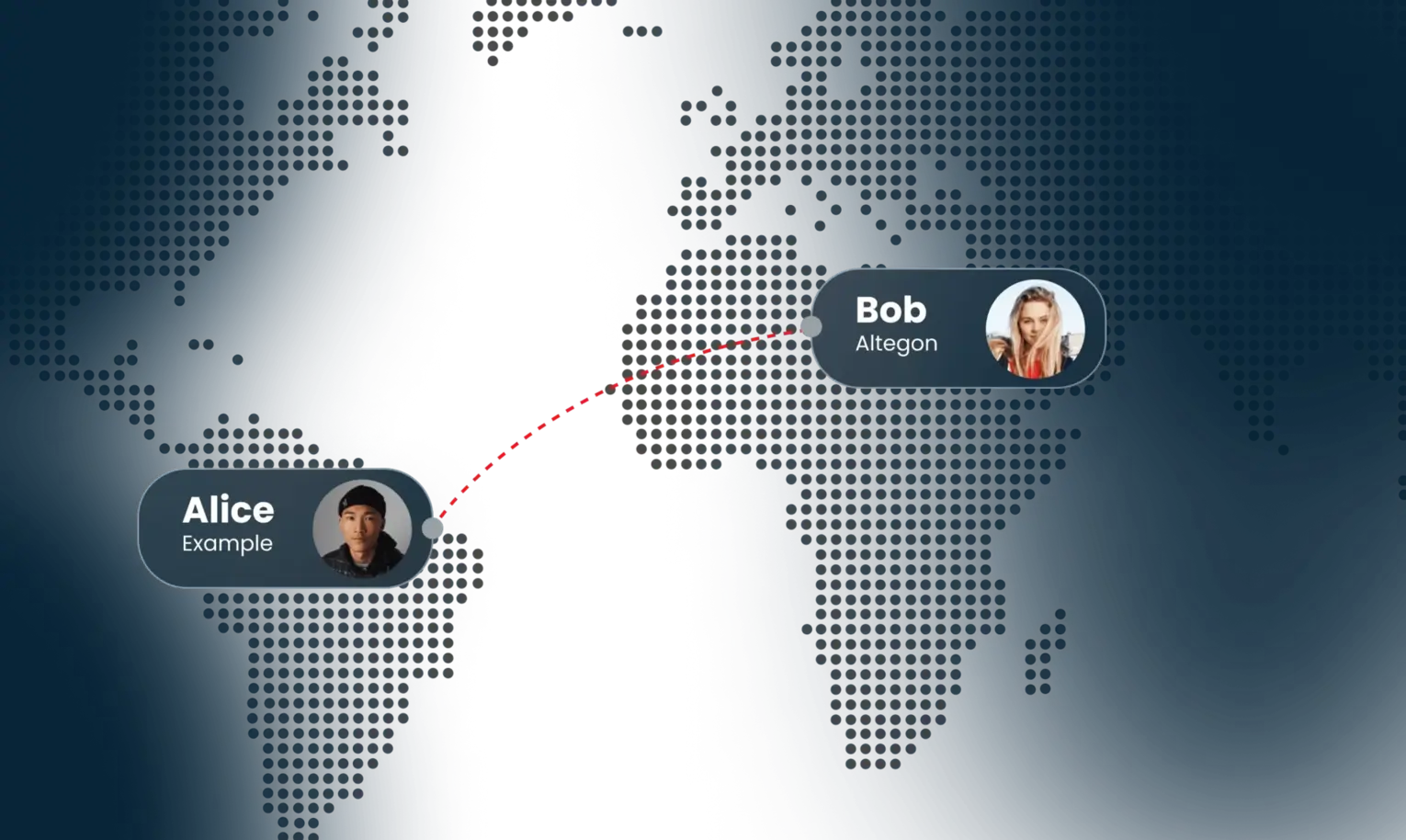
When organizations integrate AI capabilities such as transcription or summarization, they often use APIs provided by companies like OpenAI, Google, Microsoft and AWS (e.g., Transcribe and Translate). While these services are powerful and convenient, they operate outside the organization’s infrastructure. Every time a meeting is processed, the audio or text data is sent to external servers, analyzed there, and then returned as a result.
According to IBM’s Cost of a Data Breach 2024 report, the global average cost of a data breach has reached $4.88 million, rising to $9.77 million in highly regulated sectors like healthcare – highlighting the financial impact of even a single exposure event.
This process effectively creates a hidden data pipeline that bypasses the organization’s security controls. Even if the transmission is encrypted, the data must be decrypted for processing, which means it is exposed within the external system. At that point, the organization loses visibility and control over how the data is handled.
Loss of “Intelligence Sovereignty”
The consequences of this are more serious than they may initially appear. The data being processed is not just raw audio – it is the organization’s intelligence. It includes strategic discussions, financial decisions, product plans and confidential negotiations. By sending this data to external AI services, organizations are not just outsourcing computation; they are outsourcing their intellectual property.
This loss of “intelligence sovereignty” represents a fundamental shift in risk. It transforms a secure system into one that is dependent on external entities, each with its own policies, practices, and legal obligations.
The Legal Risks: Your Video Platform Is Sovereign. Your AI Isn’t.
The Impact of the U.S. CLOUD Act
Many leading AI services are based in the United States, making them subject to the CLOUD Act. This allows U.S. authorities to request access to data stored by these companies, even if it originates from another country. This is why sovereign infrastructure is becoming the 2026 enterprise data standard; it is the only way to ensure your sensitive discussions remain outside the reach of foreign legal mandates.
Challenges with GDPR and Schrems II
For European organizations, GDPR Article 28 and the Schrems II ruling restrict data transfers to countries without adequate protection. Similarly, the Saudi PDPL enforces strict controls on cross-border data transfer. Ensuring HIPAA and GDPR compliance in virtual meetings requires more than just a secure stream—it requires an AI layer that respects these boundaries..
Regional Laws Like Saudi Personal Data Protection Law
In regions such as the Middle East, regulations are becoming even more stringent. Laws like the Saudi PDPL enforce strict controls on cross-border data transfer, particularly when it comes to sensitive or personal information. Organizations operating in these regions must ensure that their data remains within national boundaries not just in storage, but also during processing. Failure to do so can result in legal penalties and reputational damage.
How Altegon Closes the Sovereignty Gap
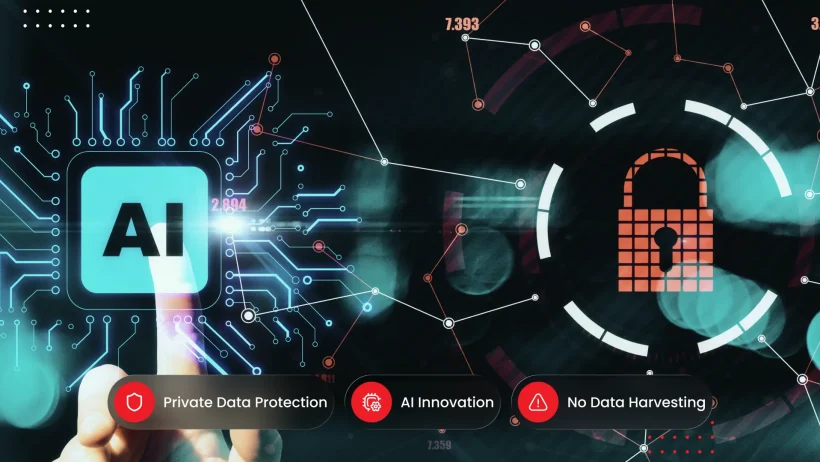
Altegon takes a fundamentally different approach by putting AI directly within the organization’s environment. Instead of sending data to external services, it brings the intelligence to where the data already exists. This eliminates the need for cross-border transfers and ensures that all processing remains under local control.
- Private Cloud AI Deployment: You run AI models (LLMs) within your own infrastructure using a zero-trust architecture.
- On-Premise Transcription: Your audio is processed locally, ensuring no data leaves your firewall at any stage.
- Total Ownership: You retain full control over your models, logs and outputs eliminating dependency on external providers.
By keeping AI processing fully local, you align with key regulatory requirements such as GDPR Article 28, which mandates strict control over data processors and regional frameworks like Saudi PDPL that restrict cross-border data transfer. This infrastructure-first approach ensures that both your data and its intelligence layer remain compliant, auditable, and fully under your governance.
Conclusion: Closing the Sovereignty Gap
The growing reliance on AI has introduced a new layer of complexity to data security. While organizations have made significant progress in securing their communication infrastructure, many have overlooked the risks associated with external AI processing. This oversight creates a gap that can undermine even the most robust security measures.
True sovereignty requires more than just controlling where data is stored—it demands control over how that data is processed and governed. As long as organizations rely on external AI APIs, they remain exposed to risks that are both technical and legal. The solution lies in discovering AI meeting platforms that prioritize local processing and transparency.
In the end, the message is clear: Your Video Platform Is Sovereign. Your AI Isn’t. And until that changes, your security remains incomplete. Partner with Altegon to close the gap today.
Partner With Altegon to Close the Gap Today.
Book a demo with Altegon to see how sovereign AI can operate entirely within your environment – without compromising control, compliance or performance.
Frequently Asked Questions
- If my video stream is end-to-end encrypted, why is an external AI API still a risk?
Encryption only protects data while it is moving (in transit). To transcribe or summarize your meeting, an AI model must “read” the content, which requires the data to be decrypted on the provider’s server. If that server belongs to a third-party API, your confidential discussions are exposed in their environment. True sovereignty requires that decryption and processing happen only within your own secure perimeter.
- Can’t I just use a regional data center from a provider like AWS or Azure?
Data residency (where data sits) is not the same as data sovereignty (who controls the law). Even if a US-based provider hosts your data in a local server (e.g., in Riyadh or Frankfurt), they are still bound by the U.S. CLOUD Act. This allows foreign authorities to compel them to turn over data. Only an infrastructure-first approach, where you own the software and the hardware, provides the highest level of legal control, keeping your data outside the reach of foreign jurisdictions.
- How do third-party “Meeting Bots” compromise a sovereign platform?
Many organizations use AI bots that join a call as a participant. While convenient, these bots act as a “leak” in your pipe. They record the audio and send it back to their own cloud for processing. This effectively bypasses all the expensive security and firewalls you built for your video platform, as the bot is essentially an uninvited guest taking your secrets home.
- How does the “Sovereignty Gap” lead to regulatory fines?
Regulations like GDPR and the Saudi PDPL have strict rules against Cross-border data transfer of sensitive information. If your “sovereign” platform sends a transcript to a foreign AI API without following specific legal frameworks (like those highlighted in Schrems II), your organization is technically in violation. Altegon closes this gap by keeping every byte of data within your national and organizational borders.