
Tech sovereignty isn’t just a corporate buzzword – it’s becoming a mission-critical part of how companies operate in today’s unpredictable digital world. For many employees, IT teams and business leaders, it’s about more than servers and compliance checklists – it’s about having confidence that sensitive conversations, customer data and AI-driven insights stay under their control.
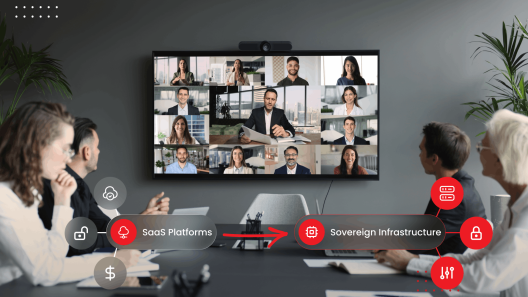
As organizations grow across borders, relying solely on third-party SaaS platforms can feel like handing over the keys to your most valuable digital assets. By 2026, tech sovereignty has evolved into a strategic lifeline, giving teams real ownership over their software, workflow and AI models, ensuring trust, resilience and accountability in every digital interaction.
The Three Pillars of Modern Tech Sovereignty
Tech sovereignty isn’t just a box to tick – it’s a mindset that touches every part of your organization. Think of it as a tripod: if one leg wobbles, the whole system is unstable. Here’s how the three pillars hold it all up:
1. Data Sovereignty – Your Digital Property Rights
Imagine your data as your most valuable files stored in a digital safe. Deeply understanding data sovereignty and ownership ensures you hold the keys. You know exactly where your information lives, who can peek at it, and how it moves.
2. Operational Sovereignty – Keeping the Engine in Your Hands
Even if your data is secure, your operations can’t be outsourced entirely. Operational sovereignty is about running your digital engine yourself from processes to daily management so you don’t rely on unknown vendors or foreign teams. When a critical system hiccups, you’re the one steering the wheel.
3. Technical Sovereignty – Architecting Your Own Rules
Finally, technical sovereignty is about building technology that obeys your rules, not someone else’s. From AI models to software and infrastructure, it gives your teams the freedom to create systems tailored to your privacy, compliance and performance needs. Think of it as crafting a house where every door, lock and window is designed by you.
To understand the specific physical components and configurations required for such a setup, you can read our detailed breakdown in this Guide to Sovereign Hardware Infrastructure, which covers the essential build-outs for private data centers.
Strategic Drivers Beyond the Data Center
Tech sovereignty today isn’t just a checklist – it’s a practical, risk-aware strategy. Modern enterprises are making nuanced choices about where and how their data and systems live:
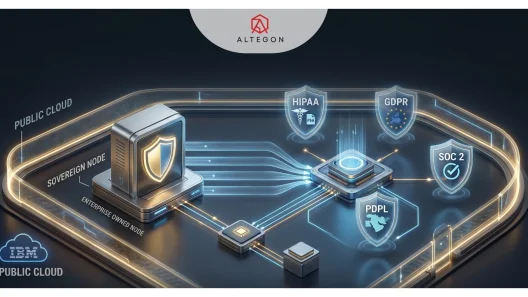
- Risk-Tiered Approaches: Not all data is created equal. Highly sensitive workloads stay in secure, air-gapped environments, while less critical data can safely live in public clouds. This way, companies protect what matters most without sacrificing efficiency.
- Sovereign Cloud Alternatives: More organizations are turning to regionally controlled cloud providers to reduce reliance on foreign infrastructure and stay ahead of local regulations.
- Hybrid & Multi-Cloud Architectures: The cloud isn’t being avoided- it’s being used smartly. Critical workloads remain on-premises or on sovereign platforms, while public clouds offer the flexibility to scale and innovate.
- Open Source as a Strategic Tool: Open-source technologies give organizations transparency, flexibility, and control. They reduce vendor lock-in and allow companies to tailor their systems exactly to their needs.
The French government has recently doubled down on its commitment to sovereign technology. Through official state press releases and the AI Action Summit, France announced a massive investment strategy exceeding €100 billion aimed at building a domestic AI ecosystem. This move ensures that sensitive governmental and citizen data is processed using local hardware and software, reducing reliance on non-EU tech giants.
Modern enterprises are making nuanced choices about where and how their systems live. Whether using hybrid architectures or breaking language barriers in real-time with voice AI, the goal is to protect what matters most without sacrificing the efficiency of global communication.
Implementing Tech Sovereignty in 2026
Tech sovereignty isn’t just a concept, it’s a living, multi-layered strategy. For companies, it’s about taking concrete steps to ensure they truly control their digital environment, rather than relying on external vendors or opaque systems.
Implementing Tech Sovereignty in 2026
Tech sovereignty isn’t just a concept, it’s a living, multi-layered strategy. For companies, it’s about taking concrete steps to ensure they truly control their digital environment, rather than relying on external vendors or opaque systems.
Data Classification & Governance
Start by understanding your data like never before. Every piece of information from customer records to internal analytics needs to be classified based on sensitivity, regulatory obligations and business impact. This isn’t just a compliance exercise; it’s about knowing where your digital assets live, who can touch them, and how they flow across your systems. A company that understands its data landscape can make informed decisions, avoid regulatory pitfalls, and respond to security incidents faster.
Sovereign AI Governance
Enterprises need to ensure that AI workloads run within fully controlled environments. This is a critical step in building trust in the age of AI through sovereign identity, ensuring that enterprise video communication and data sharing remain private.
Hold Your Own Key
Encryption is only as strong as who controls the keys. By managing encryption keys internally, enterprises ensure that no third-party cloud provider ever has access to critical data. It isn’t just a technical checkbox – it’s a statement of control. You decide who can access what, when, and under what circumstances. This approach eliminates hidden dependencies and builds confidence that sensitive data truly stays private.
Vendor Lock-In Mitigation
Long-term agility requires freedom from hidden constraints. Regulations like the EU Data Act are pushing companies to design exit strategies and maintain the ability to switch providers. The idea is simple: data should be an asset you can move and use, not a liability locked inside a single vendor ecosystem. Enterprises that actively manage vendor dependencies avoid “data gravity” and gain flexibility to adapt as technology and regulations evolve.
Tech Sovereignty as a Competitive Advantage
When implemented strategically, tech sovereignty moves from risk management into a real business differentiator:
Building Trust
Customers, partners and regulators are watching closely. Companies that demonstrate true control over data and operations inspire confidence, particularly in sensitive sectors like healthcare, finance and critical manufacturing. Trust is no longer just marketing- it’s a measurable asset that impacts partnerships and revenue.
Operational Resilience
Global crises, geopolitical tensions or cloud outages can cripple unprepared organizations. By reducing dependency on single vendors and foreign infrastructure, firms ensure continuity. Sovereign systems allow operations to run uninterrupted even under extreme conditions turning resilience into a competitive edge.
Strategic Agility
A well-designed sovereignty strategy lets companies comply with complex regulations without slowing innovation. Enterprises can deploy AI, automation, and modern tools confidently, knowing their systems and data remain under control. Sovereignty isn’t about restriction, it’s about creating freedom within secure boundaries.
Wrapping Lines!
Tech sovereignty has moved from the realm of IT compliance into the boardroom as a core corporate strategy. At Altegon, we recognize that it’s no longer enough to simply host data in a local data center; companies must truly own their infrastructure, operational processes, and AI workflows to remain competitive.
Organizations that embrace sovereignty today gain more than security- they gain:
- Control and visibility over their digital assets,
- Operational resilience in uncertain times, and
- Long-term competitive advantage through trust and strategic agility.
In a fragmented digital world, tech sovereignty transforms technology from a cost center into a strategic asset. Those who act now will not just mitigate risk, they will shape the future of enterprise operations, governance and innovation.
Frequently Asked Questions (FAQs)
1. What is the difference between Data Sovereignty and Tech Sovereignty?
Data sovereignty specifically refers to the legal requirement that data remains subject to the laws of the country where it was collected. Tech sovereignty is a broader concept; it includes data, but also extends to the ownership of the software, the underlying hardware, and the operational processes, ensuring total independence from third-party vendors.
2. How does Altegon help enterprises achieve tech sovereignty?
Altegon provides the strategic framework and tools necessary for organizations to regain control over their digital environment. From sovereign AI governance to internal encryption key management, we help businesses transition from being dependent on foreign tech stacks to owning their infrastructure, ensuring long-term resilience and trust.
3. Why is France investing so heavily in Sovereign AI?
France’s €100B+ investment is a move toward “Digital Strategic Autonomy.” By building a domestic AI ecosystem, France ensures that sensitive government and citizen data are processed using local infrastructure, reducing the risk of foreign surveillance or data leaks from non-EU tech giants.
4. Can companies still use public clouds like AWS and maintain sovereignty?
Yes, but it requires a strategic approach. Solutions like the AWS European Sovereign Cloud or hybrid-cloud architectures allow companies to keep critical, sensitive workloads on private or regionally controlled servers while using public clouds for less sensitive, scalable tasks.
5. How does Sovereign AI governance build trust with customers?
When an organization uses sovereign AI, they can guarantee that their customer’s data is never used to train global models owned by third parties. This level of transparency and control is a major competitive advantage in highly regulated sectors like finance and healthcare. advantage rather than a governance risk.