Additionally, according to the American Hospital Association and recent telehealth market surveys, 76% of U.S. hospitals now connect patients and providers through video and related telehealth technologies.
As the gap between hospitals and patients is now decreasing via video technology, selecting the right telehealth video platform has become critical for healthcare delivery success. Patient satisfaction rates consistently range from 85-96% when video and audio quality meet expectations, making platform selection a key determinant of patient outcomes and healthcare provider effectiveness.

A publication on “Telehealth Modality Preferences for Video and Voice-Only Visits Among US Clinicians and the Public” identifies the following features as important in a telehealth platform.
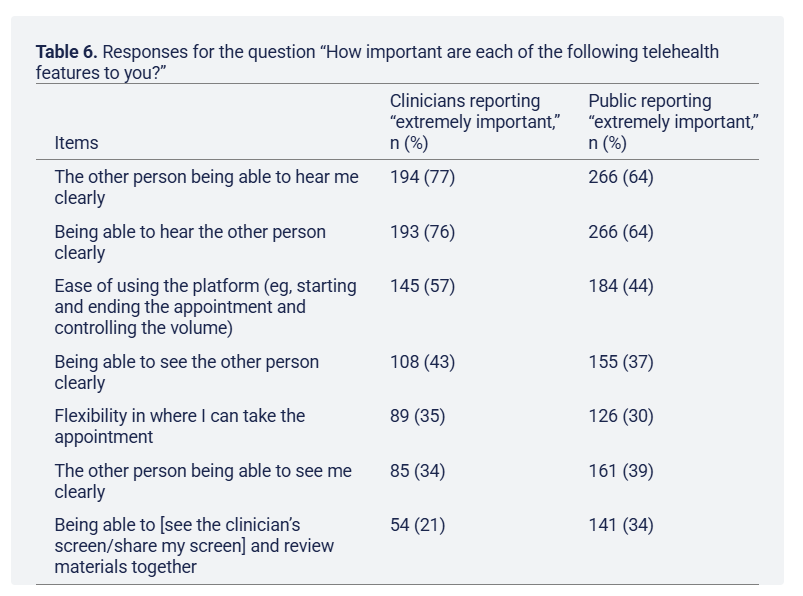
The same real-life data sets the stage for this comprehensive guide that explores the top features to look for in a telehealth video platform, covering everything from essential security requirements to advanced collaboration tools.
Whether you’re a solo practitioner or part of a large health system, understanding these critical capabilities will help you choose a telehealth solution that enhances patient care while meeting regulatory requirements.
1. Essential Security and Compliance Features
Security remains the most mission-critical consideration when evaluating telehealth platforms, with 70% of healthcare organizations citing it as the leading factor in platform selection. The cost of a single HIPAA violation can reach $1.5 million per year, making robust security features non-negotiable for any HIPAA-compliant telehealth platform.
HIPAA-ready Telehealth platform and Encryption Standards
Every telehealth platform must provide comprehensive HIPAA compliance with end-to-end encryption for all video communications. This includes AES-256 encryption for data transmission and storage, ensuring patient data remains protected throughout virtual consultations. Healthcare providers should verify that platforms offer encrypted telehealth video both in transit and at rest, covering all patient conversations and medical information exchanged during telehealth sessions.
A Business Associate Agreement (BAA) must be available from the vendor, formally establishing their responsibility for protecting patient health information. This legal requirement ensures the platform provider assumes compliance responsibilities and proves accountability for data protection standards.
Access Controls and Authentication
Robust access controls protect against unauthorized access to patient portals and provider accounts. Multi-factor authentication should be standard for all healthcare professionals accessing the system, with options for biometric authentication, including voice, fingerprint, or facial recognition capabilities.
Also, comprehensive audit trails must track all patient data interactions, session logs, and access attempts. These logs serve as essential documentation for compliance reviews and help healthcare organizations monitor how patient information is accessed and used across their telehealth services.
Data Storage and Security Audits
Secure data storage with encryption at rest ensures patient information remains protected even when systems are offline. Leading platforms maintain SOC 2 Type II compliance certification and undergo regular security audits to verify their security posture meets healthcare industry standards.
The most secure platforms also implement data sovereignty controls, ensuring patient data remains within specified geographic regions to meet local data protection requirements.
2. Video and Audio Quality Standards
High-definition video quality serves as the foundation for effective virtual consultations, directly impacting diagnostic accuracy and patient experience. Poor video quality has been linked to misdiagnoses and reduced clinical outcomes, making these technical specifications critical for patient care.
High Definition Telehealth Video and Adaptive Streaming
Minimum 720p HD video quality should be standard, with many platforms now offering 1080p resolution for detailed visual assessments. Adaptive streaming technology automatically adjusts video quality based on available bandwidth, ensuring consistent performance even when patients connect from areas with limited internet connectivity.
Advanced platforms leverage H.264 video codecs and implement real-time network monitoring with self-healing algorithms to maintain video quality throughout virtual visits. This technology proves especially valuable for medical specialists requiring detailed visual examination capabilities.

Audio Quality and Latency Requirements
Crystal-clear audio with noise cancellation and echo reduction enables effective communication between healthcare providers and patients. Low-latency communication under 150ms ensures real-time conversations flow naturally, preventing the delays that can disrupt patient sessions and clinical workflows.
Platforms should support Opus audio codecs for superior sound quality and include automatic bandwidth optimization to maintain audio clarity regardless of connection speed variations.
Recording and Documentation Capabilities
Video recording capabilities allow healthcare providers to document virtual visits for medical records and quality review purposes. These recordings must integrate with electronic health records while maintaining HIPAA compliance for secure storage and access.
Support for multiple camera angles and medical device integration enables comprehensive documentation during telehealth sessions, particularly valuable for specialists conducting detailed visual assessments.
3. Electronic Health Record Integration
Seamless electronic health record integration eliminates workflow disruptions and ensures continuity of patient care across virtual and in-person visit scenarios. The ability to access and update patient charts in real-time during telehealth sessions significantly improves clinical efficiency and patient safety.
EHR System Compatibility
Leading telehealth platforms integrate with major EHR systems using HL7/FHIR protocols for standardized data exchange. This integration enables bidirectional data flows, automatically importing lab results and updating patient charts with virtual visit notes.
Single sign-on (SSO) capabilities reduce login friction for healthcare professionals, allowing seamless access to patient information without multiple authentication steps that slow clinical workflows.
Real-Time Data Access
Automatic patient data synchronization before and after consultations ensures providers have a complete patient history immediately available during virtual appointments. Real-time access to patient charts, lab results, and medical information enables informed clinical decision-making without delays.
Integration with prescription management systems supports e-prescribing during telehealth visits, allowing providers to send prescriptions directly to pharmacies while maintaining complete documentation in the patient’s medical record.
Billing and Revenue Integration
Billing code integration streamlines insurance and reimbursement processing for virtual consultations. Automated billing workflows reduce administrative burden while ensuring proper documentation for telehealth services reimbursement.
Integration with third-party revenue cycle management tools enables healthcare organizations to process payments efficiently and track the financial performance of their telehealth programs.
4. User Experience and Accessibility Features
Frictionless or user-friendly digital interfaces in telehealth significantly boost patient engagement and adherence to care recommendations, as noted in reviews and healthcare UX analyses. Satisfaction and engagement among telehealth patients strongly correlate with ease of use and lack of technical barriers; up to 88% of users abandon apps after a poor experience, while positive UX increases retention rates and engagement.
Seniors and people with disabilities report lower adoption of video-based telehealth when user interfaces are confusing or technology access/skills are limited, confirming that intuitive design is critical for these groups
Browser-Based Access and Mobile Compatibility
Browser-based access without required software downloads removes technical barriers for patients, enabling immediate access to virtual consultations from any web-enabled device. This approach eliminates installation complications that often prevent patients from accessing telehealth services.
Native mobile app compatibility for iOS and Android devices ensures patients can connect from smartphones and tablets, expanding access to telehealth services regardless of device preferences or technical capabilities.

One-Click Join and Setup
One-click join functionality minimizes technical setup requirements for patients, reducing barriers to virtual care access. Simple workflows for appointment booking and session joining improve patient satisfaction and reduce technical support requirements.
Pre-call device and connection testing capabilities help identify potential technical issues before scheduled appointments, preventing disruptions during actual patient consultations.
Accessibility And Telehealth Multi-language Interpretation Support
ADA compliance features, including screen reader compatibility and closed captioning, ensure telehealth services remain accessible to patients with disabilities. These features expand access to virtual care for underserved populations who may face additional barriers to healthcare access.
Multilingual support accommodates diverse patient populations, with interfaces available in multiple languages to serve communities with limited English proficiency. This capability proves essential for healthcare organizations serving culturally diverse patient bases.
Patient Portal Integration
Secure messaging capabilities enable pre- and post-visit communication between patients and healthcare providers, supporting continuity of care beyond scheduled virtual appointments. These communications must maintain HIPAA compliance while providing convenient access to care team members.
Document sharing functionality allows providers to distribute test results, treatment plans, and educational materials securely through the online patient portal. Integration with patient payment systems streamlines co-pay collection and handles deductible processing efficiently.
5. Scheduling and Administrative Tools
Automated scheduling capabilities significantly reduce administrative burden while improving patient access to care. Platforms with comprehensive scheduling tools are likely to have low no-show rates when combined with effective reminder systems.
Automated Appointment Management
Real-time self-scheduling allows patients to book available appointment slots independently, reducing phone call volume and administrative staff workload. Calendar integration with Outlook, Google Calendar, and Apple Calendar synchronizes provider schedules across multiple platforms.
Smart waitlist functionality automatically fills cancellation slots, maximizing provider utilization while offering patients earlier appointment access. Recurring appointment management simplifies scheduling for patients requiring regular follow-up care or chronic disease management.
Reminder Systems and Communication
SMS and email reminder systems with customizable timing (typically 24-48 hours before visits) significantly reduce patient no-shows while improving appointment adherence. Automated session timers help keep appointments on schedule, supporting efficient clinical workflows.
Push notifications through mobile apps provide additional reminder channels, ensuring patients receive appointment notifications through their preferred communication methods.
Virtual Waiting Room Management
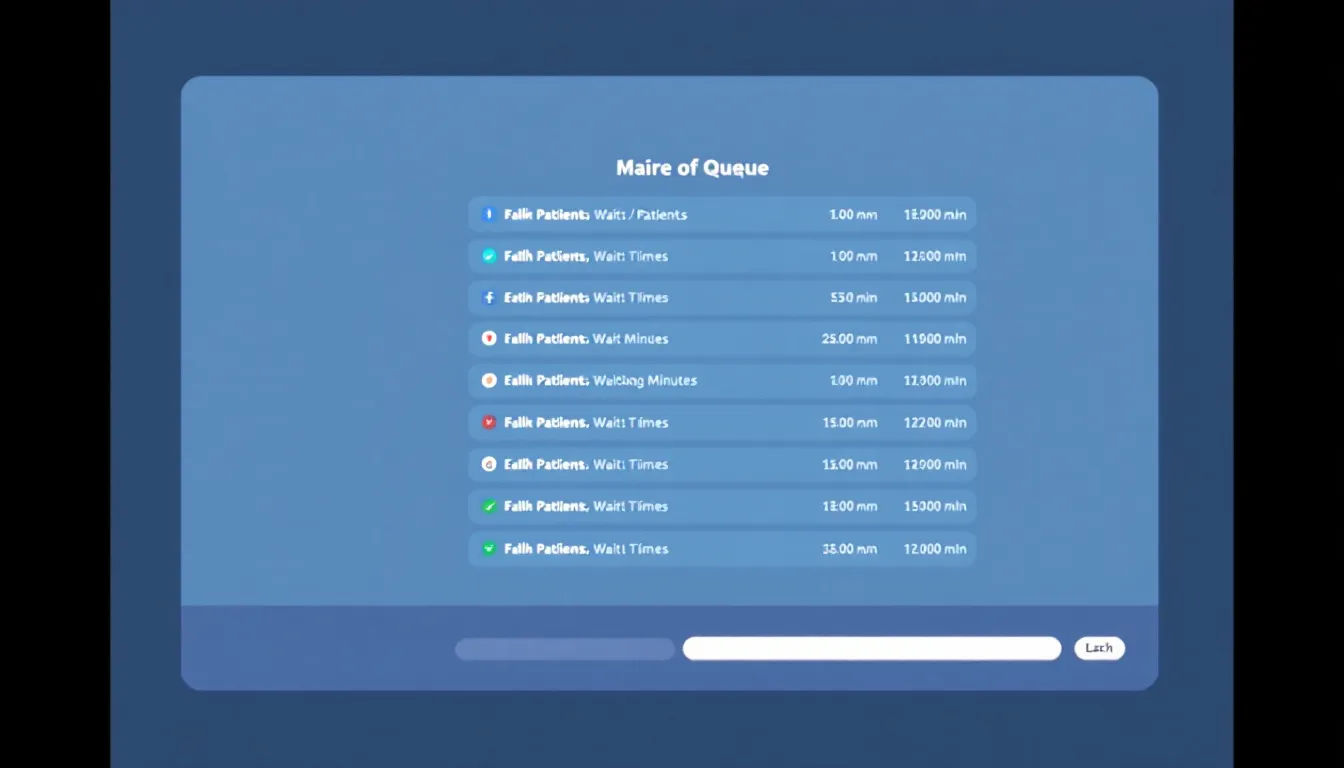
Virtual waiting room functionality manages patient flow efficiently, displaying real-time status updates and estimated wait times to improve patient experience. Customizable branding options allow healthcare organizations to maintain a consistent visual identity throughout the patient journey.
Provider availability management across multiple time zones supports healthcare organizations serving geographically dispersed patient populations or operating across different regions.
Bulk Operations and Analytics
Bulk scheduling capabilities enable efficient management of recurring appointments and group sessions, particularly valuable for chronic disease management programs and group therapy sessions.
No-show tracking and automated rescheduling options help optimize provider schedules while ensuring patients maintain access to necessary care despite missed appointments.
6. Collaboration and Clinical Tools
Advanced collaboration features enable comprehensive virtual care delivery, supporting everything from family consultations to complex care team coordination. These tools expand telehealth capabilities beyond basic video calls to support sophisticated clinical workflows.
Screen Sharing and Telehealth Interactive Tools
Screen sharing capabilities allow providers to review documents, test results, and educational content with patients during virtual consultations. This functionality proves essential for explaining treatment plans, reviewing medical images, and providing patient education.
Telehealth whiteboard collaboration functionality enables providers to explain procedures, anatomy, and treatment concepts visually, improving patient understanding and engagement during virtual visits. These visual aids often prove more effective than verbal explanations alone.
File Sharing and Documentation
HIPAA-compliant file sharing capabilities support uploading photos, documents, and reports during virtual consultations. Patients can share images of symptoms, medication bottles, or home monitoring data securely with their healthcare providers.
In-session image capture with annotation and scanning features proves particularly valuable for dermatology, wound care, and medication verification during telehealth sessions.
Multi-Party Conferencing
Multi-party conferencing supports family consultations and care team meetings, enabling collaborative care delivery through virtual platforms. This capability proves essential for complex cases requiring input from multiple medical specialists or family member involvement.
Group video sessions support group therapy, patient education, and chronic care coordination programs. These sessions often improve patient outcomes through peer support while reducing per-patient costs for healthcare organizations.
Remote Monitoring Capabilities
Integration with wearable devices and home monitoring equipment enables real-time vital sign collection during virtual consultations. Bluetooth-enabled glucometers, pulse oximeters, connected scales, and blood pressure cuffs can transmit data directly to the telehealth platform.
Real-time vital sign display during consultations provides objective health data to supplement clinical assessments. Automated alerts for abnormal readings or missed check-ins enable proactive intervention and continuous patient monitoring.
Historical data visualization supports trend analysis and long-term chronic disease management, helping providers track patient progress over time and adjust treatment plans accordingly.
7. Platform Reliability and Support
Healthcare delivery requires exceptional reliability, making platform uptime and support capabilities critical selection factors. Telehealth platforms must maintain maximum uptime guarantees to support uninterrupted patient care delivery.
Infrastructure and Reliability
Redundant server infrastructure with a distributed architecture ensures platform availability even during hardware failures or high usage periods. Backup connection methods, including phone fallback options, provide alternative communication channels when internet connectivity issues occur.
Regular software updates and feature releases keep platforms current with evolving healthcare needs and regulatory requirements. These updates should deploy seamlessly without disrupting ongoing patient care activities.
Technical Support and Training
24/7 technical support available via phone, chat, and email ensures healthcare providers receive immediate assistance when technical issues arise during patient care. Dedicated support team members with healthcare industry experience understand the urgency of clinical situations.
Comprehensive training programs for healthcare staff and administrators accelerate platform adoption while ensuring proper utilization of available features. These programs should cover both technical aspects and workflow optimization for maximum clinical benefit.

Enterprise Support Services
Dedicated customer success managers for enterprise accounts provide ongoing optimization support and ensure platforms continue meeting evolving organizational needs. Regular check-ins help identify opportunities for workflow improvements and feature utilization.
Implementation specialists guide healthcare organizations through initial deployment and configuration, ensuring platforms integrate seamlessly with existing clinical workflows and IT infrastructure.
8. Scalability and Pricing Considerations
Telehealth platforms must accommodate growth from solo practices to large health systems serving hundreds of providers and thousands of patients. Flexible pricing models and scalable architecture ensure platforms remain cost-effective as usage expands.
Flexible Pricing Models
Per-provider, per-visit, and unlimited pricing options allow healthcare organizations to select models that align with their usage patterns and budget constraints. Volume discounts for large provider networks help control costs as telehealth programs expand.
No per-minute charges for consultations eliminate concerns about extended patient conversations affecting operational costs. This pricing approach encourages thorough patient care without financial penalties for longer virtual visits.
Enterprise Scalability Features
Multi-location support with centralized administration enables health systems to manage telehealth services across multiple facilities and geographic regions. API access supports custom integrations and workflow automation for large-scale deployments.
White-label options allow health systems to maintain branded patient experiences while leveraging robust telehealth platform capabilities. Usage analytics and reporting provide ROI measurement and operational insights for program optimization.
Cost-Effective Operations
Including storage for session recordings and patient documents in the pricing plan eliminates additional charges for documentation requirements. Free patient access ensures patients don’t face barriers to telehealth services due to account fees or subscription requirements.
These cost structures support sustainable telehealth programs while maintaining accessibility for all patient populations regardless of financial circumstances.
9. Implementation and Migration Support
Successful telehealth platform deployment requires comprehensive implementation support, particularly for healthcare organizations migrating from existing systems or implementing virtual care for the first time.
Data Migration and Integration
Data migration assistance from a secure telehealth video platform ensures continuity of patient records and historical data. Run integration testing with the existing IT infrastructure to verify compatibility with current systems before full deployment.
Pilot program options allow healthcare organizations to test functionality with limited provider groups before system-wide implementation. This approach reduces deployment risks while allowing workflow refinement based on real-world usage.
Change Management and Training
Change management support must be offered to facilitate staff adoption of new telehealth workflows and technologies. These services address common resistance to technology changes while highlighting benefits for both providers and patients.
Go-live support with dedicated technical teams ensures smooth transitions during initial deployment periods. Post-implementation optimization helps refine workflows based on actual usage patterns and provider feedback.
Ongoing Support and Optimization
Regular workflow analysis and optimization recommendations help healthcare organizations maximize their telehealth platform investments. These services identify opportunities for improved efficiency and enhanced patient care delivery.
Continuous monitoring of platform performance and usage analytics provides insights for program expansion and service improvements over time. So, make sure the platform you choose offers these features.
Conclusion
Selecting the top telehealth video platform features requires careful evaluation of security, functionality, and scalability requirements specific to your healthcare organization. The most successful telehealth implementations balance robust HIPAA compliance with intuitive user experiences, comprehensive EHR integration with reliable technical performance, and flexible pricing with enterprise-grade support capabilities.
As telehealth continues evolving from emergency pandemic response to standard healthcare delivery, platforms must demonstrate proven capabilities across all these feature categories. Healthcare providers who thoroughly evaluate these essential features before making platform selections position themselves for long-term success in virtual care delivery, improved patient outcomes, and sustainable telehealth program growth.